Guides
Air Duct Cleaning Jupiter: How Often to Clean Ducts
Wondering how often to clean air ducts in a humid Jupiter home? Get a clear schedule, real warning signs, and when to book a professional cleaning.
Air Duct Cleaning in Jupiter: How Often Should You Actually Do It?
Coastal Florida is tough on an HVAC system. Between salt air, near-constant humidity, and a cooling season that barely quits, the ductwork in a Jupiter home works harder than it does almost anywhere else. So how often should you schedule air duct cleaning in Jupiter, and how do you know when it's overdue? This guide gives you a real timeline, honest warning signs, and the local factors that actually move the needle.
The short version: what the timeline really looks like
Most guidance you'll read online lands on a range of every three to five years for a typical home. That's a fine starting point. It's also written for a house in a dry, mild climate, which Jupiter is not.
Here in Palm Beach County, humidity keeps interior surfaces damp longer, and damp surfaces hold dust. Add pollen, fine sand, and pet dander, and the buildup inside your supply and return runs accelerates. For a lot of homes around Jupiter, the practical window is closer to every two to four years.
A quick reference by household type
The right interval depends less on the calendar and more on what's living and moving through your air. Here's how it tends to shake out.
| Household situation | Typical cleaning interval |
|---|---|
| No pets, no allergies, newer home | Every 3 to 4 years |
| One or more shedding pets | Every 2 to 3 years |
| Household members with dust sensitivity | Every 2 years |
| Recent remodel or construction dust | Once the work wraps, then resume normal |
| After a pest issue or rodent activity | As soon as the problem is resolved |
| Vacant or seasonal home reopened | Before you move back in for the season |
Notice the calendar isn't the only trigger. Events matter as much as years. A remodel or a pest problem can undo a fresh cleaning fast.
Why Jupiter is a special case
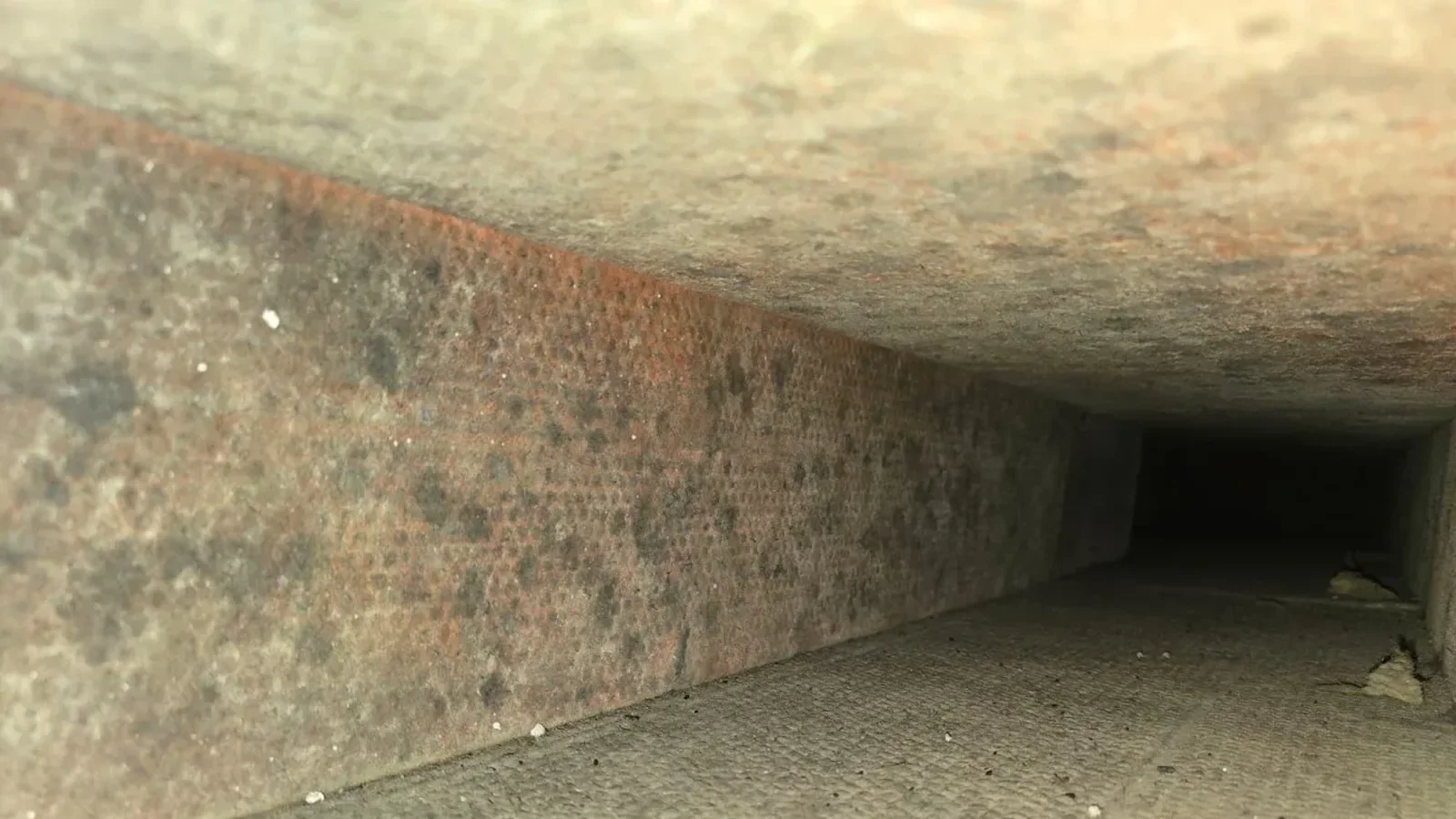
Salt-laden coastal air carries fine particulate that finds its way into return vents. Humidity does the rest. When warm, moist air meets the cool metal and insulation inside your system, condensation forms, and dust that would otherwise blow through instead sticks. Over time that film becomes a place where debris collects. That's the local reality behind why many Jupiter homes benefit from a shorter interval than the national average suggests.
Signs your ducts are asking for attention now
Forget the calendar for a second. Your system usually tells you when it's time, if you know what to watch and smell for. These are the flags we see most often on service calls around town.
Dust that comes back too fast
You wipe down the shelves, and two days later there's a visible layer again. When dust reappears almost as quickly as you clear it, some of it is likely riding your airflow. Pull off a return-air grille and look at the vent slats. If they're coated in gray fuzz, the runs behind them usually are too.
Odors you can't track down
A musty smell that shows up every time the air kicks on is worth investigating. So is a stale, closed-up odor in a home that's occupied daily. Debris and moisture inside ductwork can hold onto smells and recirculate them room to room. Cleaning won't fix a plumbing or drainage issue, but it does remove the material carrying a lot of these odors.
Uneven airflow and struggling vents
Put your hand near a supply register. If the push feels weak compared to other rooms, buildup or a blockage may be restricting the run. A system fighting its own ductwork runs longer and works harder. Restoring clean, open airflow lets it breathe.
After pests, rodents, or an exterminator visit
This one's specific and it matters. When an exterminator clears an infestation, the pest debris left behind (droppings, nesting material, insulation they chewed up) can still sit inside your ducts. Your HVAC keeps circulating that air. If you've dealt with rodents or insects near your air handling equipment, a thorough cleaning is one of the smartest next steps. This is a common reason homeowners call us for professional air duct cleaning even when they cleaned recently.
Cleaning intervals aren't one-size-fits-all, and that's the point
Here's the contrarian take: chasing a fixed number of years can cost you money and still leave your air dirty. A three-year rule is meaningless if a burst of construction dust filled your returns last spring. It's also overkill for a tidy, pet-free condo that sat closed all summer.
The better approach ties cleaning to your actual conditions. Think of it as a baseline interval that you adjust up or down based on what's happening in the house.
Things that shorten your interval
- Pets, especially multiple or heavy shedders
- Smokers in the home
- Recent renovation, drywall work, or flooring installs
- Household members bothered by dust and everyday allergens
- A home near heavy landscaping, new construction, or open lots that kick up sand
- Any past pest or rodent activity in or near the ductwork
Things that stretch it out
- A newer, well-sealed home
- No pets and no smokers
- Diligent filter changes on schedule
- A system that's already been professionally cleaned and maintained
Notice how much you control here. Simple habits change the math. A quality filter, swapped on time, catches a lot before it ever reaches the ducts.
What actually happens during a professional cleaning
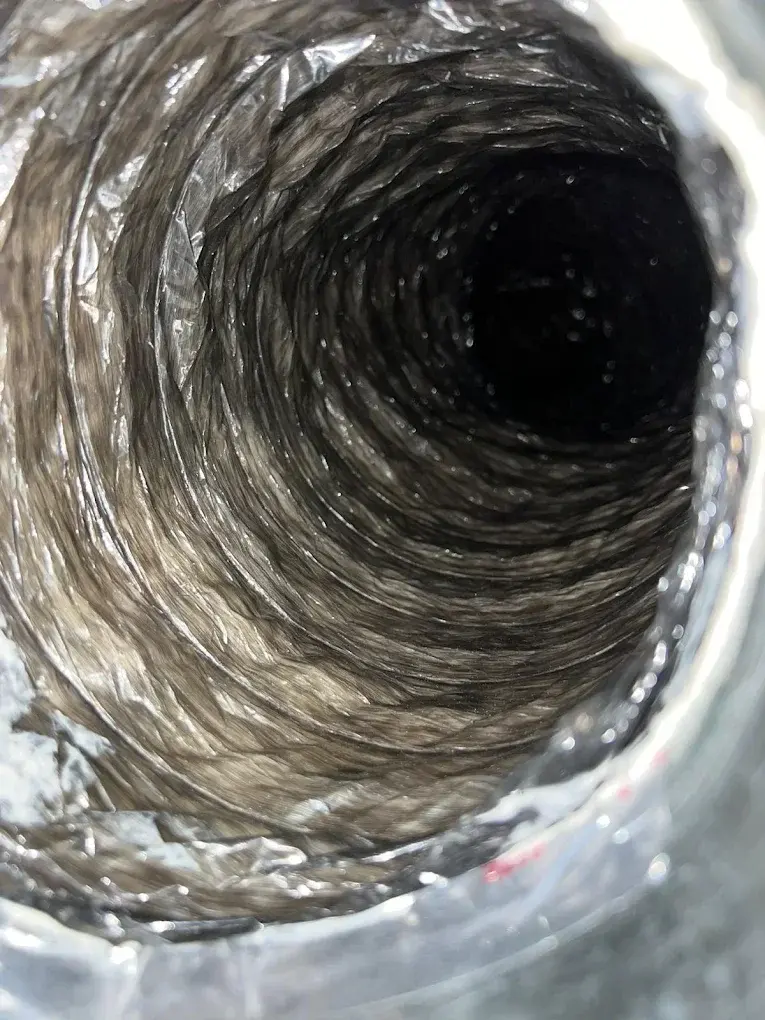
People picture a shop vac at a vent and assume that's the whole job. It isn't. A proper cleaning follows a source-removal process that pulls debris out of the entire system, not just the openings you can see.
The steps, start to finish
- Inspection. A tech looks over your supply and return runs, the air handler, and the registers to see what you're dealing with.
- Access and containment. The system gets connected to powerful negative-air equipment so loosened dust has one place to go, not back into your rooms.
- Agitation. Brushes, air whips, and compressed air tools knock debris loose from the interior walls of the ducts.
- Extraction. The negative-air vacuum, often with HEPA-grade filtration, captures everything that's been dislodged.
- Component cleaning. Registers, grilles, and reachable parts of the air handler get cleaned so freshly cleaned ducts aren't feeding off dirty surfaces.
- Final walkthrough. A last look confirms the system is clear and buttoned back up.
Following the source-removal method laid out in the NADCA standard is what separates real cleaning from a surface pass. It's the difference between clean ducts and clean-looking vents.
How long it takes and what to expect
For a typical single-family home in Jupiter, a full cleaning usually runs a few hours, depending on the size of the home, the number of vents, and how much buildup we find. You don't need to leave. The equipment keeps mess contained, and you can go about your day. Larger homes with more zones naturally take longer.
What a cleaning costs, and how to compare quotes honestly
Cost is the first question most homeowners have, and it's a fair one. We won't quote a number in a blog post because the real figure depends on your home. But you can absolutely learn to compare quotes so you're not overpaying or underbuying.
What actually drives the price
Several real factors move a duct cleaning quote up or down:
- Number of vents and returns. More openings, more work.
- Home size and system count. A two-zone home is a bigger job than a small single-system house.
- Condition. Heavy buildup, pest debris, or years of neglect take more labor.
- Access. Tight crawlspaces and hard-to-reach handlers add time.
- Add-on work. Things like sanitizing or dryer vent cleaning, if you choose them.
Reading a quote like a pro
A rock-bottom price that sounds too good usually is. Ask what's included. A real cleaning covers the whole system with source removal, not just the visible grilles. A suspiciously cheap offer often means a quick vacuum at each vent and nothing more. Get the scope in writing, ask whether they follow the NADCA process, and confirm the returns and the air handler are part of the job. When you understand what goes into an air duct cleaning, comparing two bids gets a lot easier.
Between cleanings: what you can do yourself
Professional cleaning is periodic. Good habits are constant, and they're what keep your interval from creeping shorter. None of this is risky work. It's the light maintenance any homeowner can handle.
Filters are your first line of defense
Change your air filter on schedule, usually every one to three months depending on the filter and your household. In a humid, pet-friendly, sandy environment like ours, lean toward the shorter end. A higher-MERV filter catches finer particles, but check that your system can handle the airflow restriction before you jump up several ratings. When in doubt, ask.
Keep vents and returns clear
Vacuum your register covers and return grilles regularly. Don't block returns with furniture or rugs. Airflow that's choked at the grille pulls harder and drags more dust into the system. A five-minute pass with a vacuum brush goes a long way.
Watch your humidity
Keeping indoor humidity in a reasonable range helps everything. It reduces the damp-surface effect that lets dust cling inside the ducts. A working AC does a lot of this on its own, so if rooms feel clammy even with the system running, have your equipment checked by a licensed HVAC pro. That's outside duct cleaning, but the two problems often show up together.
Why local experience matters for Jupiter homes
Ductwork in a coastal home behaves differently than ductwork inland. The humidity, the salt, the fine sand, the year-round cooling load, all of it shapes how fast a system gets dirty and what's actually in there. A crew that works these homes every week knows what to look for and where buildup hides.
We work the way Jupiter homes need
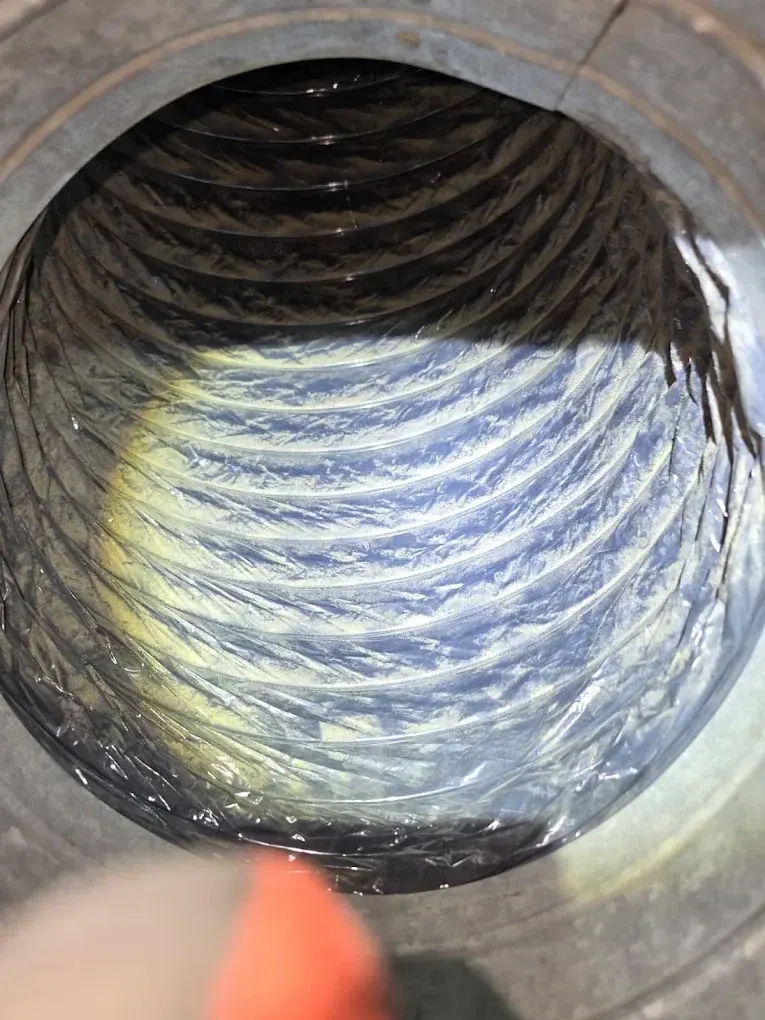
Express Air Duct Cleaning Jupiter serves homes throughout the area, and we've cleaned enough coastal systems to know the patterns. We follow a source-removal process, we clean the whole system rather than just the openings, and we tell you straight whether your ducts actually need service or can wait. If they can wait, we'll say so.
When it pays to just get an inspection
If you're not sure where your home falls on the timeline, an inspection settles it fast. A tech can show you what's inside your returns and give you a clear read on whether cleaning makes sense now or later this year. It beats guessing off a calendar. Homeowners across Jupiter often tell us the air feels fresher and the dusting slows down after a thorough cleaning, and it starts with knowing what you're dealing with.
Frequently asked questions
How often should I clean my air ducts in Jupiter?
For many Jupiter homes, every two to four years is a practical range, tightened by pets, allergies, remodeling, or past pest activity. Humidity and coastal conditions tend to push the interval shorter than the national three-to-five-year guideline.
Does duct cleaning help with dust in the house?
It can. Removing debris from the runs means less material getting stirred up and recirculated. Paired with regular filter changes, many homeowners notice they dust less often after a cleaning.
How long does a professional cleaning take?
A typical single-family home usually takes a few hours. Larger homes, multiple systems, or heavy buildup add time. You don't need to leave during the appointment.
Should I clean my ducts after a pest problem?
Yes, once the infestation is resolved. Pest debris and nesting material can linger in ductwork and keep circulating through your system, so a cleaning is a smart follow-up after the exterminator's work.
Can I just clean the ducts myself?
You can vacuum registers and change filters, and you should. But full source removal needs professional negative-air and agitation equipment to clear the whole system, which household tools can't reach.