
Roof Care
Air Duct Repair in Jupiter Homes: Fixing Leaky Ducts
Leaky, crushed, or disconnected ducts in a hot Jupiter attic? Learn the warning signs and how repairs work. Call Express Air Duct Cleaning Jupiter today.
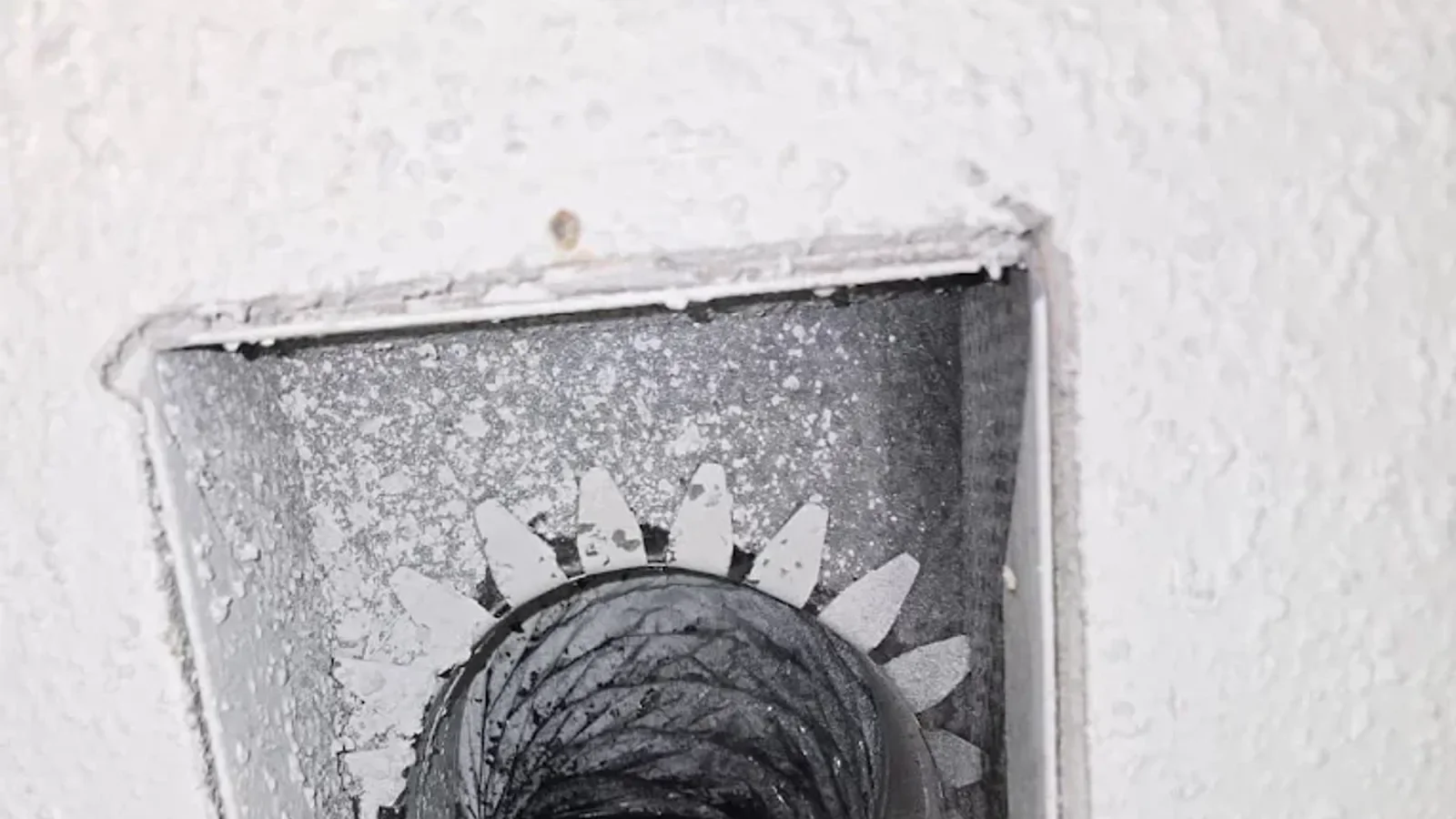
Your AC runs all afternoon, and the back bedroom still feels sticky. The power bill keeps creeping up. In a lot of Jupiter homes, the culprit isn't the air conditioner at all. It's the ductwork baking in a 130-degree attic, leaking cooled air where nobody can see it. This guide walks through how ducts fail here, what the fixes actually involve, and when it's time to call a pro.
Why Jupiter attics are so hard on ductwork
Ductwork was never designed to sit in an oven. But that's where most of it lives in South Florida homes, tucked above the ceiling in an attic that turns brutally hot from spring through fall. Add our humidity, the salt in the coastal air, and the sheer number of hours the AC runs, and duct problems show up faster here than in cooler parts of the country.
Heat, humidity, and old flex duct
Most Jupiter homes use flexible duct, that gray or silver insulated tubing with a wire coil inside. It's affordable and easy to route. It also degrades over time, especially in heat. The outer vapor barrier gets brittle. The inner liner can sag or tear. Once the insulation packs down or the jacket splits, warm attic air starts sweating against cold metal, and you get condensation where you don't want it.
The load never lets up
In much of the country, an AC coasts for half the year. Here it works nearly year-round. Every cycle pressurizes the duct system a little, tugs on the connections, and stresses the tape and mastic at every joint. Multiply that by a decade of Jupiter summers and small weaknesses turn into real leaks.
Critters and storage traffic
Attics get visitors. Rodents chew through duct liner. Roof crews, cable installers, and homeowners hunting for holiday bins step on runs they can't see. One misplaced boot can crush a section of flex duct flat, and nobody notices until a room stops cooling.
The three ways ducts fail (and how to tell which one you've got)
Duct problems in Jupiter almost always land in one of three buckets: leaky, crushed, or disconnected. Each one feels a little different from inside the house. Learning to read the symptoms helps you describe the problem before anyone climbs into the attic.
Leaky ducts
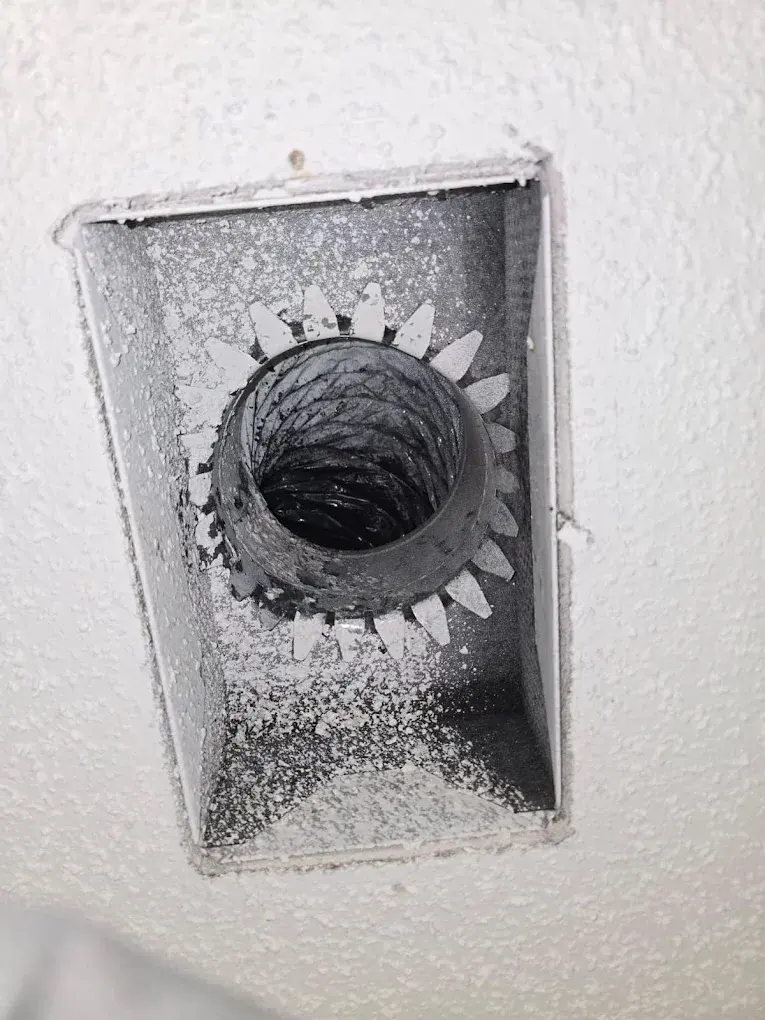
Leaks are the sneaky one. A joint separates slightly, tape lets go, or the liner cracks, and cooled air bleeds into the attic instead of your living room. You rarely see it. You feel it in a higher bill, an AC that runs and runs, and rooms that never quite catch up. Dust building up fast around vents can hint that unfiltered attic air is getting pulled into the system through gaps on the return side.
Crushed or kinked ducts
A crushed run acts like a pinched garden hose. Airflow drops to a trickle. Usually it's one specific room that suffers while the rest of the house feels fine. Flex duct is especially prone to this because it bends and sags. A sharp kink around a truss, a section squashed under stored boxes, or a run that's drooped into a tight S-curve can all choke off the air a room needs.
Disconnected ducts
This is the dramatic failure. A duct pops off its collar at the air handler, a boot separates from the ceiling register, or a connection that was never sealed well finally lets go. Now you're air conditioning your attic directly. The room served by that run gets almost nothing, the system struggles against the imbalance, and your humidity indoors can climb because so much conditioned air is disappearing overhead.
| Failure type | What you notice inside | Common cause in Jupiter |
|---|---|---|
| Leaky duct | High bills, long run times, fast dust buildup | Aged tape, brittle liner, unsealed joints |
| Crushed / kinked duct | One weak room, poor airflow at a vent | Foot traffic, stored boxes, sagging flex |
| Disconnected duct | A room gets almost no air, rising humidity | Failed collar, popped boot, heat-cracked joint |
Leaky ducts cost you more than crushed ones. Here's why.
People assume a totally disconnected duct is the worst-case scenario. In terms of one room, sure. But a house full of small leaks often wastes more energy overall, quietly, for years, because nobody ever pinpoints it. A disconnected duct announces itself. A dozen tired joints just sit there raising your bill every single month.
Where the cooled air actually goes
When supply ducts leak, the air you paid to cool spills into the attic and never reaches you. When return ducts leak, the system pulls hot, dusty, humid attic air back into the mix. Both make the AC work harder for a worse result. In a humid climate like ours, the return-side leaks are especially rough because they load your system with moisture it then has to fight all over again.
What drives the repair cost
We can't quote a home sight unseen, and any honest company will tell you the same. What we can do is explain what moves the number. The length and accessibility of the damaged runs matter most. Repairs deep in a low, cramped attic take longer than ones near the access hatch. The number of failure points, whether the insulation is salvageable, and the condition of the connections at the air handler all factor in. When you compare quotes, look for a description of the actual work, not just a flat figure with no detail behind it.
When repair beats replacement
A single crushed section or one bad joint is a repair. A duct system that's brittle end to end, sagging everywhere, and losing air at half its connections is usually a candidate for replacement instead of endless patching. A good inspection tells you honestly which camp your system is in rather than defaulting to the bigger job. That's the kind of straight assessment our team at Express Air Duct Cleaning Jupiter aims to give.
What actually happens on repair day
Duct repair isn't glamorous work, but it follows a clear order. Knowing the steps helps you tell a thorough job from a rushed one. Here's how a typical visit unfolds once we've diagnosed the problem.
Inspection and diagnosis first
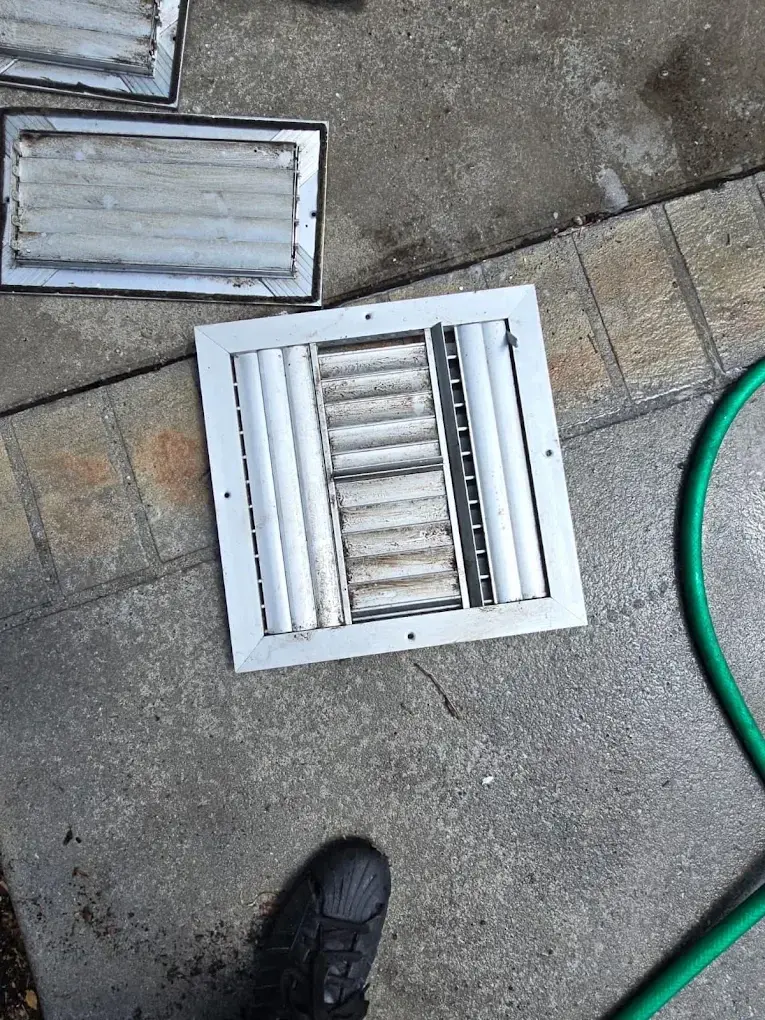
Nothing gets fixed until we know what's failing and why. That means going up into the attic, tracing the runs, checking the connections at the air handler, and looking for the tells: separated joints, crushed sections, torn liner, condensation stains, and daylight or airflow where there shouldn't be any. We check the register at each weak room from below, too. A careful diagnosis keeps you from paying to fix the wrong thing.
The actual fixes
The repair depends on the failure. Here's the usual playbook, roughly in order of how often we do them:
- Reconnect and reseal joints. Reattach the duct to its collar, secure it with a proper strap or clamp, and seal with mastic or UL-rated tape instead of the cheap stuff that lets go in the heat.
- Replace crushed or kinked sections. A flattened run of flex often can't be rehabbed. We cut it out and splice in a fresh section with the right length and gentle bends so airflow isn't choked.
- Re-secure sagging runs. Support straps at the correct intervals keep flex duct from drooping into kinks again.
- Repair or replace failed insulation. Where the jacket is torn or packed down, we address it so cold metal isn't sweating against attic air.
- Seal the return side. Return leaks pulling attic air get sealed so the system stops drinking in heat and moisture.
Verifying the repair
A fix isn't done until we confirm the air is moving again. We check that the previously weak room is getting real airflow, that connections are solid, and that the sealed joints are holding. If you were dealing with dust or debris pulled in through leaks, this is also the natural moment to pair repairs with professional duct cleaning so you're not blowing old buildup around a freshly sealed system.
How to catch duct trouble before it wrecks your comfort
You don't need to climb into a scorching attic to stay ahead of duct problems. Most of the early warning signs show up right inside the house, where you already spend your time. Pay attention to these and you can call for help before a small leak becomes a summer of misery.
Signs you can spot from your couch
- One room that never cools like the rest, no matter the thermostat setting
- Weak or barely-there airflow at a specific vent
- A cooling bill climbing without a change in your habits
- An AC that runs almost constantly and rarely satisfies the thermostat
- Dust reappearing on surfaces days after you've cleaned
- Indoor air feeling more humid or muggy than it should
Simple maintenance that helps
Change your air filter on schedule. A clogged filter starves the system and adds strain to every duct connection. Keep the area around your air handler and attic access clear so nobody has to step over ductwork to move through. When you're storing bins in the attic, keep them off the duct runs. These small habits won't fix an existing failure, but they slow the wear that causes new ones.
When to bring in a pro
If a room won't cool, your bills jump, or you hear the words "the air just isn't coming out of that vent," it's time for a professional look. Attic work in Jupiter heat is genuinely dangerous, and diagnosing duct failures takes experience to do right. Skip the DIY on this one. A proper inspection from a technician who does this daily saves you from guessing. You can always start by learning more in this guide and then scheduling a look.
Choosing the right help in Jupiter
Not all duct work is equal, and the difference shows up in your comfort a year later. A rushed patch with the wrong tape fails again by next summer. A methodical repair holds. Here's what separates a job that lasts from one that doesn't.
What a thorough company does differently
The good ones inspect before they quote, explain what they found in plain language, and recommend the smallest fix that solves the problem rather than the biggest one they can sell. They use heat-rated materials that survive a Jupiter attic. They support the runs correctly so the repair doesn't sag back into failure. And they verify airflow at the register before they call it done.
Repair, cleaning, and the whole system
Duct issues rarely travel alone. A system that's been leaking has often been pulling in dust and debris for a long time. Addressing the ductwork and the buildup together makes sense so you're not sealing contaminants inside. Express Air Duct Cleaning Jupiter handles both sides of that, which means one team, one visit, and a system that's tighter and cleaner when we leave.
Ask before you commit
Before you hand anyone your business, ask what specifically failed, what they'll do about it, and what materials they'll use. Ask whether they inspected the return side, not just the supply. A company that answers those clearly is one you can trust with your attic.
Frequently asked questions
How do I know if my ducts are leaking or just undersized?
You often can't tell from inside without an inspection. Leaks tend to show up as rising bills and fast dust return, while an undersized or crushed run usually starves one specific room. A technician tracing the runs in the attic can separate the two.
Can I repair a disconnected duct myself?
We don't recommend it. Jupiter attics get dangerously hot, the footing around trusses is tricky, and a duct that pops off once usually needs proper strapping and sealing to stay put. This is a job for a pro with the right materials and safety habits.
Does duct repair help with my energy bill?
It can. When leaks and disconnections send cooled air into the attic, your AC works harder for a worse result. Sealing those losses lets the system deliver more of what it produces to your rooms, which often eases the run time.
Should I repair or replace my ducts?
It depends on how widespread the damage is. One crushed section or a couple of bad joints is a straightforward repair. A system that's brittle and leaking everywhere is often a better candidate for replacement. A real inspection gives you the honest answer.
How long does a typical duct repair take?
It varies with the number of failure points and how accessible the attic is. A single reconnection can be quick, while multiple runs deep in a cramped attic take longer. We give you a realistic time frame once we've seen the situation.