Guides
Chimney Cleaning in Jupiter, FL: What a Sweep Includes
What a professional chimney sweep really includes and the signs your Jupiter fireplace needs one. Read the guide, then schedule your inspection today.
Most Jupiter homeowners light a fire maybe a handful of nights a year, when a cold front finally rolls in off the Atlantic. That light use is exactly why chimneys here get neglected. Out of sight, out of mind. This guide walks you through what a real chimney sweep actually does, the warning signs that your flue is overdue, and how to tell a thorough job from a rushed one.
What chimney cleaning in Jupiter, FL actually covers
A proper sweep is more than pushing a brush up the flue and calling it done. The goal is to remove built-up residue, check for hidden damage, and leave the system safe to use. In a humid coastal climate like ours, that inspection matters as much as the brushing.
The residue nobody sees
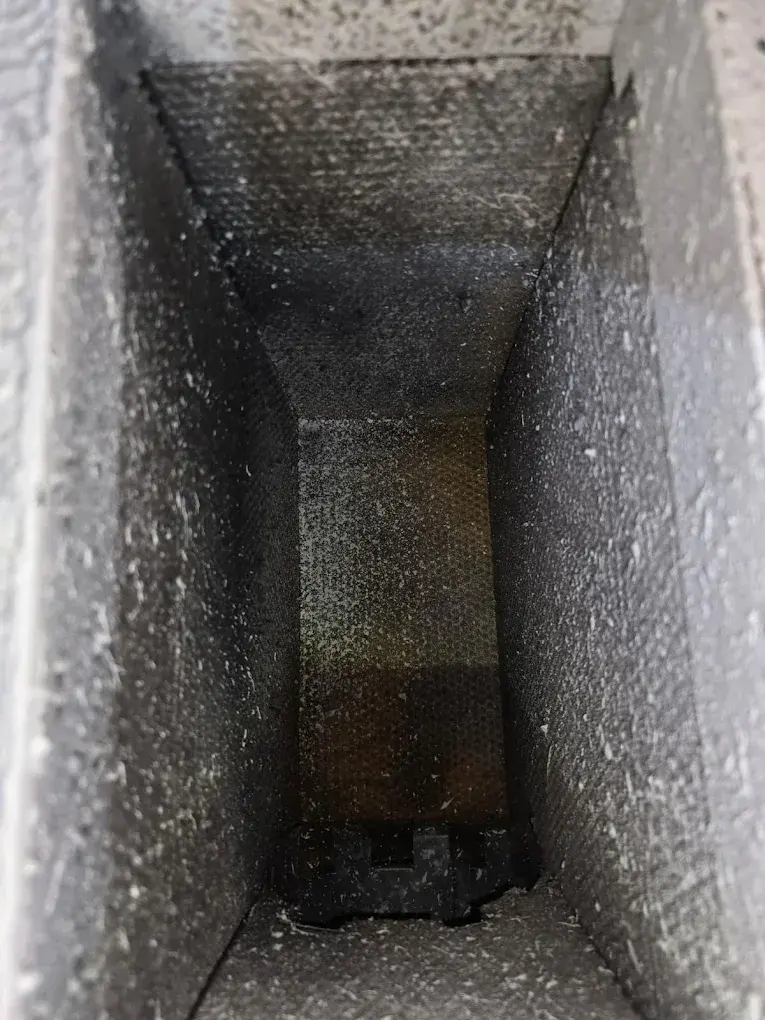
Every time wood burns, it leaves behind creosote. That's the dark, sometimes tar-like coating that clings to the inside of a flue. It builds in stages, from a light dusting to a hard, glazed layer that grips the liner. Creosote is combustible. When enough of it accumulates, a hot fire can ignite it inside the chimney. That's the core reason cleaning exists, and it's why light-use homes still need attention: fires that smolder at low heat actually produce more creosote, not less.
The full walk-through, step by step
Here's what a careful sweep typically includes on a residential fireplace:
- Set up drop cloths and seal the firebox opening to contain dust and debris.
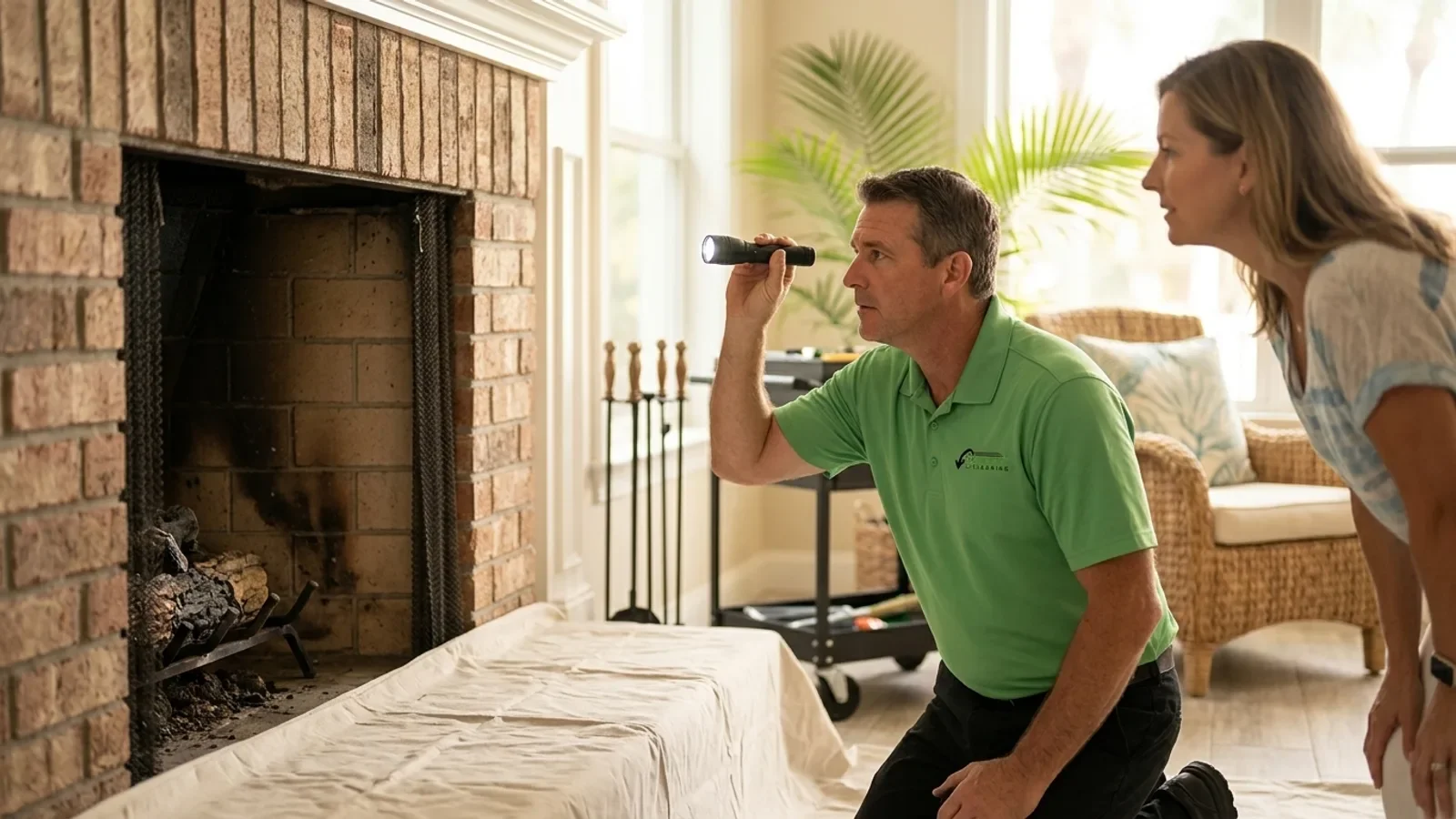
- Inspect the firebox, damper, smoke chamber, and flue with a bright flashlight.
- Brush the flue from top or bottom, working the liner clean of creosote and soot.
- Clear the smoke shelf and firebox of fallen debris.
- Check the cap and crown for cracks, rust, or a missing screen.
- Vacuum out the collected material with a HEPA-filtered unit.
- Walk you through findings and flag anything that needs repair.
A visit like this usually runs an hour or two, depending on how much buildup there is and how the chimney is configured. If the flue hasn't been touched in years, expect the longer end.
Why the coastal air changes things
Salt air and high humidity are hard on metal components. Chimney caps, dampers, and flashing corrode faster near the water than they do inland. Moisture that sneaks past a cracked crown can soak masonry and speed up deterioration. A Jupiter inspection pays close attention to rust and water intrusion, because those are the failures we see most often around here, even on chimneys that barely get used.
Signs your fireplace is telling you something
Your chimney gives off warnings well before anything dramatic happens. Learn to read them. Some are obvious the moment you light a fire, and others you'll only notice if you look.
What you can smell and see
A sour, smoky odor drifting from the fireplace, especially on humid days, often means creosote buildup reacting with moisture. Smoke that backs up into the room instead of drawing cleanly up the flue is another red flag. Sometimes it points to a blockage. Sometimes it's a damper problem. Either way, it's worth a look before your next fire.
Grab a flashlight and glance up past the damper. If you see a thick, flaky, or shiny black coating, that's creosote asking to be removed. White staining on exterior masonry, called efflorescence, signals that water is moving through the brick.
Blockages you can't see from the couch
Chimneys make excellent nesting spots. Birds, squirrels, and other critters build inside flues, and leaves and twigs pile up on the smoke shelf. A blocked flue traps combustion gases indoors, which is the dangerous part. If your fireplace suddenly draws poorly or you hear scratching, assume something's up there and get it checked. A missing or damaged cap is usually the reason animals got in to begin with.
The calendar test
Even a chimney that seems fine benefits from a routine check. The widely referenced guidance from the National Fire Protection Association (NFPA 211) recommends an annual inspection of chimneys, fireplaces, and vents. Annual doesn't always mean annual cleaning. It means someone qualified looks at it every year and cleans when the buildup warrants it. For a light-use Jupiter fireplace, that yearly inspection is your cheapest insurance against a surprise.
Here's the part most people get backwards
The common assumption is that a chimney you rarely use stays clean. It doesn't work that way. A fireplace that sits idle for months collects moisture, rust, animal debris, and slow-forming residue from the few fires you do light. Sometimes the least-used chimneys are in the worst shape, because nobody's been paying attention.
Idle chimneys still deteriorate
Rust never takes a season off. A cap corrodes whether you burn wood or not. A crown cracks from sun and rain regardless of use. Mortar joints erode with every humid week. By the time you finally want a cozy fire during a January cold snap, an unchecked flue may have a nesting bird, a rusted-through damper, or water damage you had no idea was there.
Low, smoldering fires make more creosote
It feels counterintuitive, but a slow, cool, oxygen-starved fire produces heavier creosote than a hot, bright one. Homeowners who light small, smoky fires to take the chill off are often building deposits faster than someone who burns hot and clean. Wet or unseasoned wood makes it worse. If your wood hisses or the fire won't catch cleanly, that's a fuel problem feeding a chimney problem.
The whole system is connected
Your fireplace flue isn't the only vent in the house that carries combustion byproducts or moves air. At Express Air Duct Cleaning Jupiter, we spend our days inside home air systems, and the same principle holds throughout: buildup restricts flow, and restricted flow causes problems you feel before you see. If your fireplace has been circulating soot and odors, it's worth thinking about the air pathways in the rest of the home too.
What separates a thorough sweep from a rushed one
Not every visit that ends with a broom is a real cleaning. Knowing what good work looks like helps you judge what you're getting and spot corners being cut.
Containment and cleanup
Soot is fine, dark, and it travels. A careful crew seals the firebox, lays protection over floors and furnishings, and uses a HEPA-filtered vacuum to capture debris rather than letting it drift through your living room. If you're finding gray dust on the mantel and hearth after the visit, that's a tell. Clean work leaves the room the way it found it.
The inspection, not just the brushing
Brushing removes creosote. It does not tell you whether the liner is cracked, the crown is failing, or the cap is rusted through. A quality sweep inspects the firebox, damper, smoke chamber, flue, cap, and crown, and shows you what they found. Ask for that walk-through. A pro should be able to point to the actual condition of your components, not just hand you a receipt.
Straight talk on repairs and cost
What you pay for chimney work depends on real factors: how much buildup exists, the height and layout of the flue, whether components are corroded, and whether repair is needed on top of cleaning. Anyone quoting you sight-unseen before looking at the system is guessing. The honest approach is an inspection first, then a clear explanation of what the chimney needs and why. When you compare quotes, compare what's actually included, not just the bottom line. A cheap number that skips the inspection isn't the bargain it looks like.
Chimney cleaning vs. inspection vs. repair: how they differ
These terms get used interchangeably, and they shouldn't be. Each is a distinct service with a different purpose. Here's how they line up.
| Service | What it does | When you need it | Typical frequency |
|---|---|---|---|
| Inspection | Visual check of flue, firebox, cap, and crown for damage and buildup | Before each burning season; after buying a home; after a chimney fire or storm | Once a year |
| Cleaning (sweep) | Removes creosote, soot, and debris from the flue and firebox | When inspection shows meaningful buildup or after heavy use | As buildup warrants, often yearly for regular users |
| Repair | Fixes damaged liners, caps, crowns, dampers, or masonry | Only when an inspection identifies a specific problem | As needed |
The takeaway is simple. Inspection comes first and drives everything else. You don't clean a flue that doesn't need it, and you don't repair what you haven't diagnosed.
Getting your Jupiter fireplace ready before you light it
South Florida's brief cool season means fireplaces here go from ignored to in-demand overnight. A little prep before that first cold front keeps the first fire from being an unpleasant surprise.
Safe things you can do yourself
You don't need a professional for the basics. Open the damper fully and confirm it moves freely. Shine a light up the flue and look for obvious nests, debris, or heavy black buildup. Clear old ashes from the firebox. Check that your smoke and carbon monoxide detectors have fresh batteries and actually work. Keep only dry, well-seasoned wood on hand. These small steps cost nothing and tell you a lot.
When to stop and call a pro
Anything involving the roof, the flue interior, or suspected structural damage is not a DIY job. Climbing up to inspect a cap or crown, poking at a cracked liner, or clearing a stubborn blockage puts you at real risk and can make a problem worse. If you see cracking, rust, water stains, or a blockage you can't clearly identify, bring in someone qualified. The point of a professional visit is that they can safely reach and evaluate the parts you can't.
Local know-how matters
Codes and requirements vary by area, so check your local rules or ask a licensed pro before making structural changes to a chimney or venting system. What holds true everywhere is that our coastal environment demands attention to moisture and corrosion. A crew that understands Jupiter homes knows to look hard at the components salt air attacks first. If you'd rather have the whole home's air pathways looked at while you're at it, the team at Express Air Duct Cleaning Jupiter can point you toward the right professional cleaning services for your situation.
Frequently asked questions
How often does a fireplace in Jupiter need cleaning?
Have it inspected once a year, in line with NFPA 211 guidance, and clean it when buildup warrants. Light-use homes may not need a sweep every single year, but they still need that annual look.
Can I clean my own chimney?
You can handle basics like clearing ashes, checking the damper, and inspecting detectors. Anything involving the roof, the flue interior, or possible damage should go to a professional who can reach and evaluate it safely.
How long does a professional sweep take?
Most residential fireplace cleanings run about one to two hours. Heavy creosote, a tall or complex flue, or added repairs can extend that.
What does chimney cleaning cost in Jupiter?
It depends on buildup, flue height and layout, component condition, and whether repairs are needed. That's why a reputable sweep inspects first, then explains what your chimney actually requires before quoting.
Is a smoky smell from my fireplace a problem?
Often, yes. A sour, smoky odor, especially in humid weather, usually points to creosote buildup or moisture. It's worth an inspection before your next fire.