
Guides
Dryer Vent Cleaning in Jupiter, FL: Signs & Fire Risk
Warning signs, fire risk, and how often to clean your dryer vent in Jupiter, FL. Learn what to watch for and schedule a professional cleaning today.
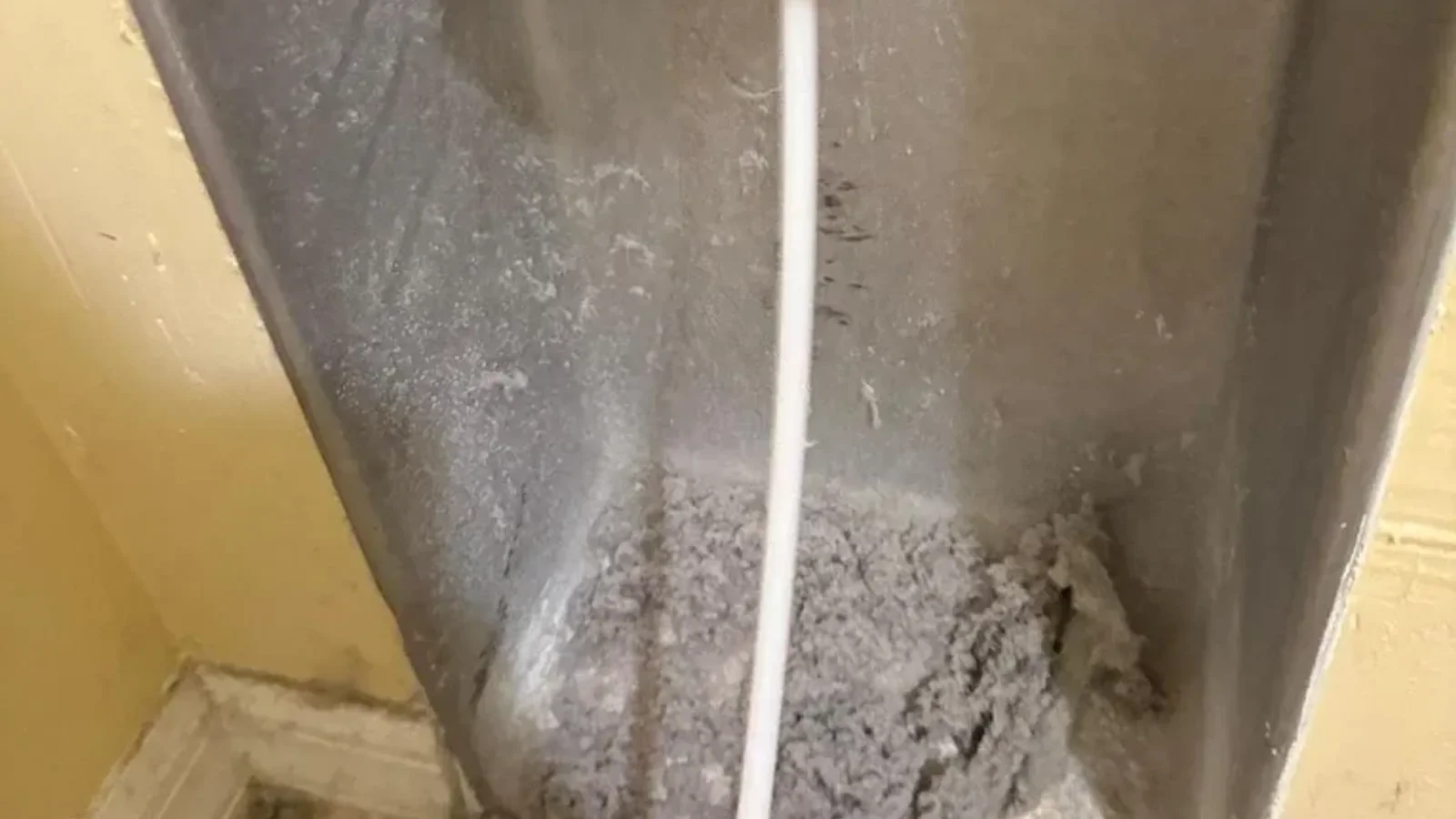
Your dryer works fine until it doesn't. One day the clothes come out warm and damp, the laundry room feels like a sauna, and you're running two cycles for one load. That's lint doing quiet damage inside a vent you never see. In this guide, we'll cover the warning signs Jupiter homeowners miss, the real fire risk, and a clear schedule for cleaning.
Why lint is a bigger deal than it looks
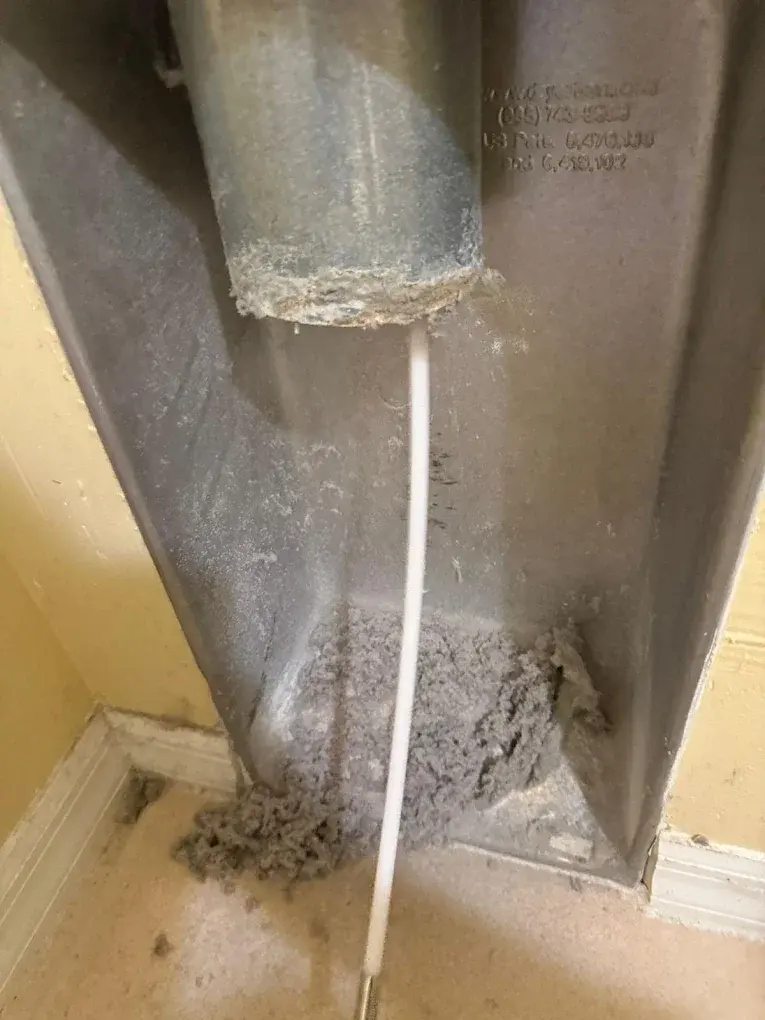
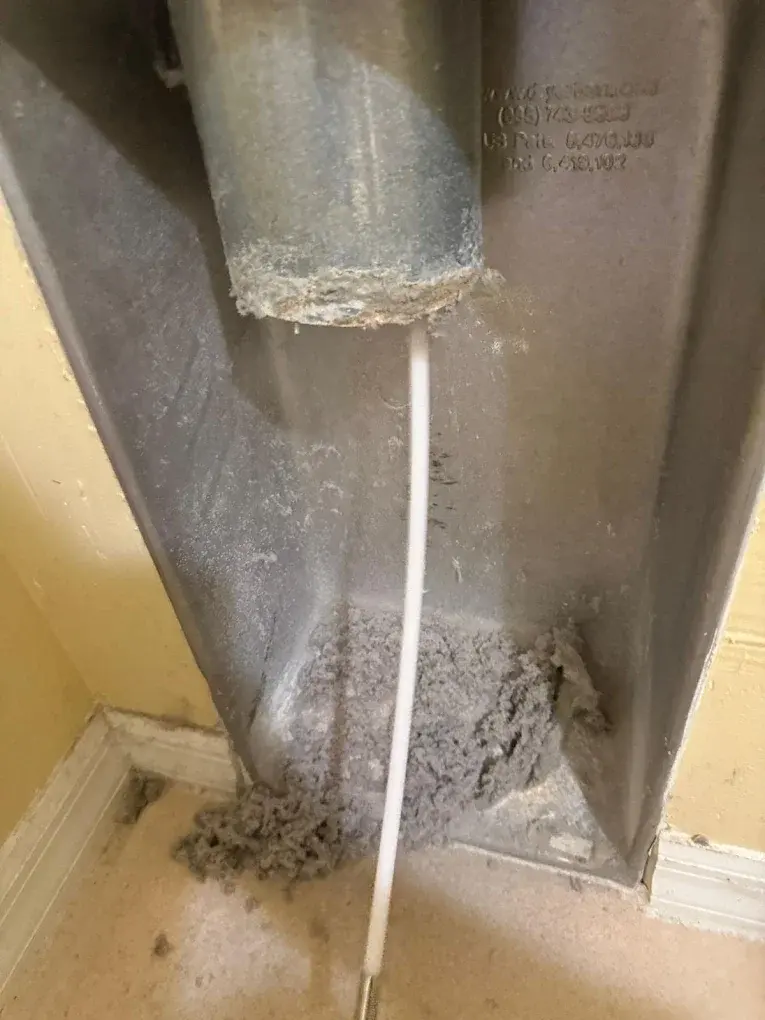
Every load sheds fibers. The lint trap catches some of it, but plenty slips past and rides the airflow into the exhaust duct. Over months, that fine fluff packs against duct walls, elbows, and the exterior flap. It builds slow, then all at once you've got a restriction.
Here's the part people underestimate. Lint is basically dry, shredded fabric. It ignites easily, and a clogged vent traps heat right where the heat lives. When a dryer can't push hot, moist air outside, the appliance runs hotter and longer to finish the same job. That combination is what makes a neglected vent a fire concern, not a nuisance.
Jupiter's humidity makes it worse
Coastal Florida air is heavy with moisture most of the year. When your dryer exhaust hits a partly blocked duct, that damp air condenses and mixes with loose lint. The result is a sticky paste that clings to duct walls instead of blowing free. Homes here also tend to run the AC hard, and a humid laundry room adds to the load. Regular cleaning keeps that paste from turning into a solid plug.
Long vent runs collect more
Two-story homes, interior laundry rooms, and units that vent through the roof all mean longer duct runs with more turns. Every elbow is a spot where lint slows down and settles. The longer and more twisted the path, the more often it needs attention. If you can't see daylight through the vent from inside, you can't judge how much has piled up.
The warning signs Jupiter homeowners tend to miss
Most people wait for a total failure. The clues show up long before that. Learn to read them and you'll catch a clog while it's cheap and easy to clear.
Here are the signs worth acting on:
- Clothes take two cycles to dry. The single most common tell. If a normal load is coming out damp, airflow is restricted.
- The dryer or clothes feel hot to the touch. Excess heat means the appliance is fighting a blockage.
- The laundry room gets humid or muggy during a cycle. That moist air should be leaving the house, not lingering.
- A burning or musty smell. Scorched lint has a distinct odor. Don't ignore it.
- The outside vent flap barely opens. Weak airflow at the exterior hood points to a packed duct.
- Lint showing up around the door seal or behind the machine. Fibers backing up where they shouldn't.
- It's been over a year since the last cleaning. Time alone is a reason.
The two-cycle problem
If you've started hitting the button twice, that's not a quirk of an aging machine. It's a symptom. A restricted vent means the moist air has nowhere to go, so the clothes stay wet longer. You burn extra electricity and put extra wear on the motor and heating element every single load. Clearing the duct usually brings dry times right back to normal.
Heat where there shouldn't be any
Reach behind the dryer mid-cycle. If the back panel or the exhaust connection is uncomfortably hot, the appliance is overworking. High cabinet temperatures also stress the thermal fuse, which can trip and leave you with a dryer that runs but won't heat. Airflow is the fix, and airflow starts with a clear vent.
Yes, a clogged dryer vent really can start a fire
This isn't a scare tactic. Clothes dryers are a recognized cause of home fires nationwide, and the failure that shows up again and again is the same: a vent choked with lint. The mechanism is simple. Trapped heat, a highly flammable material, and an appliance forced to run hot for extended periods. Remove one of those and the risk drops.
The reassuring part is that this is one of the most preventable hazards in your home. You can't control much about a house fire, but you can keep your exhaust duct clear. That's it. A clean vent lets heat and moisture escape the way the system was designed to, which is exactly why professional dryer vent cleaning focuses on the full duct run and not just the lint trap.
Where fires actually start
The lint trap catches the obvious fluff, but the danger sits deeper in the line, at the transition hose behind the machine and at the elbows where the duct turns. Those are the spots you can't reach with a hand and a paper towel. A pro pulls the machine, disconnects the transition, and cleans the entire path to the exterior hood. That full-length approach is what actually reduces the risk.
Signs the risk is already high
A visibly hot dryer, a burning smell, repeated thermal fuse trips, and clothes that come out hot enough to be uncomfortable are all red flags. If you're seeing more than one, stop running the machine until the vent is cleared. Pushing through it means running a hot, restricted system load after load, which is exactly the scenario you want to avoid.
How often should you clean it? Straight answer
For most Jupiter households, once a year is the baseline. That covers a typical family running several loads a week through a standard vent run. Some homes need it more often, and a few can stretch a little longer. The right number depends on how much you use the dryer and how your duct is built.
Use this as a rough guide:
| Household situation | Suggested cleaning frequency |
|---|---|
| Average family, standard vent run | Once a year |
| Large household or heavy laundry use | Every 6 to 9 months |
| Long or roof-vented duct with several turns | Every 6 to 12 months |
| Home with shedding pets | Every 6 to 9 months |
| Rarely used dryer, short direct vent | Every 12 to 18 months |
Those are starting points, not hard rules. The warning signs above always override the calendar. If drying times climb in month eight, don't wait until month twelve.
Homes with pets and big families
Pet hair and pet dander add to the lint load in a hurry. So does a household running laundry daily. If you're washing towels, sports gear, and bedding every week, the duct fills faster than the once-a-year average. Move to a six to nine month rhythm and you'll stay ahead of the buildup.
New construction and long runs
Just because a home is new doesn't mean the vent is clean. Construction debris, drywall dust, and even a crushed section of flex duct can restrict airflow from day one. If you've moved into a newer Jupiter home and drying feels slow, that's worth a look regardless of age. A longer run with multiple elbows also earns a shorter interval.
What a professional cleaning actually involves
People picture a shop vac at the wall vent. A real cleaning is more thorough than that, and the difference is the whole point. Here's what the process typically looks like when we handle it.
The walkthrough and setup
The technician starts by checking the dryer, the transition hose, the interior duct, and the exterior hood to find where the restriction lives. The machine gets pulled away from the wall and the transition hose is disconnected. Then the crew protects the area, because loosened lint has to go somewhere and it shouldn't end up on your floor.
Cleaning the full duct run
Using rotating brushes and compressed air paired with a vacuum, the tech works the length of the duct from the appliance connection all the way to the exterior vent. The rotary brush breaks lint loose from the walls and elbows while the vacuum captures it. The exterior flap gets cleared too, since a stuck flap defeats the whole effort. This is the part a homeowner simply can't replicate with household tools.
The airflow check
After cleaning, the tech reconnects everything and confirms the exhaust is moving freely at the outside hood. You want to feel a strong, warm push of air where before there was a weak trickle. That check is how you know the job actually restored airflow rather than just clearing the first foot of duct.
What affects the cost, and how to compare quotes
Nobody likes a surprise on the invoice, so it helps to know what drives the number before you call. Cost isn't one flat thing. It moves with the specifics of your home and how much work the vent needs.
The main factors:
- Length of the duct run. Longer paths take more time and equipment.
- Number of turns and elbows. More bends mean more spots to clear.
- Vent location. A roof-vented dryer is more involved than a side-wall run at ground level.
- How packed the duct is. A vent that hasn't been cleaned in years takes longer than a well-maintained one.
- Accessibility. Whether the machine can be reached and moved easily.
How to compare fairly
When you gather quotes, make sure everyone is describing the same work. Ask whether the price covers the full duct run to the exterior or just the section near the machine. Ask if they move the appliance and clean the transition hose. A low number that only covers the wall vent isn't cheaper, it's less service. Line up the scope first, then compare.
Signs you might be overpaying
Watch for add-ons that don't match your situation, or a quote that balloons after the tech arrives without a clear reason tied to what they found. A straightforward vent on a single-story home shouldn't carry the price of a complex roof run. Clear communication about scope is the best signal you're dealing with a fair operation.
Simple habits between professional cleanings
You don't have to sit and wait for the annual service. A few easy habits keep the system healthier and stretch the time between visits. None of this replaces a full cleaning, but it helps.
Clean the lint trap every load
This is the one everyone knows and half of us forget. Pull the screen and clear it before or after every cycle. A blocked lint trap forces more fiber past it and into the duct. Every load counts.
Check the exterior flap
Once in a while, run a dryer cycle and walk outside to the exterior vent hood. You should feel warm air pushing out and see the flap open freely. If the flap barely moves or lint is peeking out around it, that's your cue to schedule a cleaning. It's a thirty-second check that tells you a lot.
Watch your dry times
Get a feel for how long a normal load takes. When that creeps up, treat it as data, not annoyance. Rising dry times are the earliest reliable signal that lint is building in the line. Catch it there and the fix is quick. Let it ride and you're back to the two-cycle problem. If you want a deeper walk-through of vent care, our guide to dryer vent warning signs lays it out.
Frequently asked questions
How long does a dryer vent cleaning take?
Most straightforward jobs run under an hour. A long roof-vented run or a duct that hasn't been cleaned in years can take longer because there's more material to clear and more setup involved.
Can I just clean the dryer vent myself?
You can and should clean the lint trap every load and check the exterior flap. Clearing the full duct run, including the elbows and the transition behind the machine, really calls for the right brushes and vacuum equipment to do it thoroughly.
How do I know if my vent is actually clogged?
The clearest signs are clothes needing two cycles, a dryer that runs hot, a humid laundry room, and weak airflow at the exterior hood. Any one of those is worth a look. More than one, and you should stop running the machine until it's cleared.
Does a gas dryer need cleaning more often than electric?
The lint buildup and cleaning schedule are similar for both. Both push exhaust through the same kind of duct, and both benefit from a yearly cleaning as a baseline. Any repair to a gas connection itself should always go to a licensed professional.
Will cleaning the vent lower my energy use?
A clear vent lets the dryer finish loads faster, which usually means fewer cycles and less run time. Homeowners often notice loads drying in one pass again after a cleaning, which cuts wear on the appliance too.