
Process
Duct Installation in Jupiter, FL: When to Replace
Wondering if your Jupiter, FL ductwork needs replacing? Learn the warning signs, what a new duct system involves, and how to plan the job.
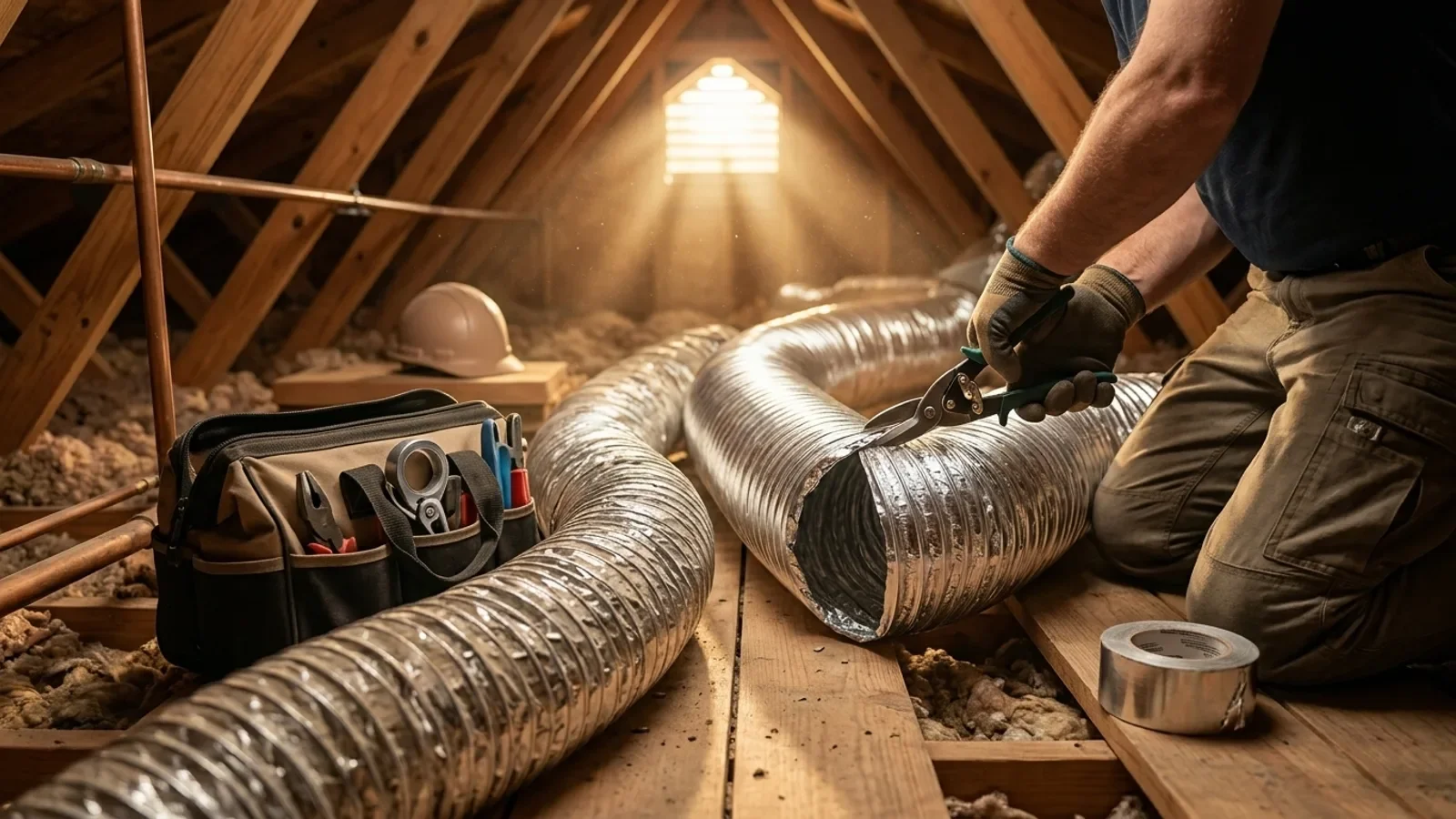
Your AC can be brand new and your air still won't feel right if the ducts behind the walls are worn out. That's the part nobody sees. Here in Jupiter, humidity, salt air, and decades-old attic runs put real stress on a duct system. This guide walks you through when replacement actually makes sense, what a fresh install involves, and how to plan the job without guessing.
Why Jupiter homes are hard on ductwork
Coastal Florida isn't gentle on anything mechanical, and ducts are no exception. The combination of heat, moisture, and a cooling system that runs most of the year adds up fast. A duct system that might last decades in a dry climate can age quicker here.
Humidity and temperature swings
Attics in Jupiter get brutally hot, and the ducts running through them carry cold air. That temperature gap creates constant condensation on and around the ductwork. Over years, that moisture cycle degrades insulation, loosens connections, and gives dust something to cling to. Flex duct that starts crisp and sealed can sag and separate at the joints.
Age and original construction
Plenty of homes around Jupiter and the Abacoa and Jupiter Farms areas still run on their original duct systems. If your house is 20 or more years old and the ducts have never been touched, they may be undersized for a modern high-efficiency AC, poorly sealed by today's standards, or simply worn thin. Older gray flex duct, in particular, tends to crack and shed over time.
Critters and debris
Rodents, insects, and lizards find their way into attic ductwork more often than homeowners expect. When they nest or leave debris inside a run, that material circulates every time the system kicks on. Sometimes cleaning solves it. Sometimes the duct is chewed through or contaminated badly enough that replacement is the honest answer, and that's a call worth having a pro make.
The short version: signs it's time to replace
Not every duct problem means a full replacement. Some issues are sealing and cleaning jobs. But a few signs point clearly toward new ductwork, and it helps to know which is which before anyone quotes you.
Rooms that never balance out
If one bedroom sits warm while the living room freezes, and no amount of thermostat fiddling fixes it, the duct design or condition is usually the culprit. Undersized runs, crushed sections, or major leaks all throw off airflow. When rooms have been fighting each other for years, replacement often gives you a clean slate to size things correctly.
Rising energy use and a hard-working AC
Leaky ducts leak the air you paid to cool straight into your attic. If your system runs longer and longer to hit the same temperature, and you've already ruled out the equipment itself, the distribution network deserves a hard look. A well-designed new install keeps that conditioned air where it belongs.
Visible damage, dust, and persistent odors
Here are the red flags worth acting on:
- Torn, crushed, or disconnected flex duct visible in the attic
- Dust that resettles within days of cleaning, no matter how often you dust
- Musty or stale smells that return every time the AC runs
- Insulation crumbling off the outside of the duct runs
- Signs of past moisture, staining, or pest activity inside the ducts
One of these alone might mean a repair. Several together usually means the system is past its useful life. A duct inspection sorts it out fast, and our team can take a look before you commit to anything.
Repair, clean, or replace? Making the honest call
The word "replace" gets thrown around too easily. A good contractor should tell you when your existing ducts can be saved. That's the difference between selling a job and solving a problem.
When cleaning or sealing is enough
If your ducts are structurally sound but dirty, a thorough cleaning restores airflow and clears out the debris. If they're intact but leaking at the joints, sealing and re-taping connections can tighten the whole system without tearing anything out. Many Jupiter homes get years of solid performance from a good cleaning and sealing pass, no replacement required.
When replacement is the smarter money
Once ducts are collapsed, chewed through, saturated with old contamination, or badly undersized, patching becomes a losing game. You fix one leak and another opens up. At that point, new ductwork usually costs less over time than repeated repairs on a failing system. It's the classic situation where the cheaper-looking option ends up more expensive.
How to compare quotes without getting lost
Cost depends on a handful of real factors, not a magic number. Home size, the number of runs, attic accessibility, the type of duct material, and how much of the system you're replacing all move the price. When you gather quotes, make sure each one covers the same scope. Ask what material they're installing, whether they're replacing the plenum and boots or just the runs, and whether cleanup and haul-away are included. Comparing a full-system quote against a partial one is how people overpay.
| Situation | Likely best move | Why |
|---|---|---|
| Dusty but intact ducts | Professional cleaning | Restores airflow, no structural issue |
| Sound ducts leaking at joints | Sealing and re-taping | Tightens the system without replacement |
| Collapsed or torn flex runs | Replacement | Patches won't hold on failing material |
| Undersized for a new AC | Replacement and resizing | Wrong sizing caps system performance |
| Pest contamination throughout | Cleaning or replacement | Depends on damage severity |
What actually happens on install day
People picture a messy, chaotic day. A well-run duct installation is more methodical than that. Knowing the sequence helps you set expectations and spot a crew that's cutting corners.
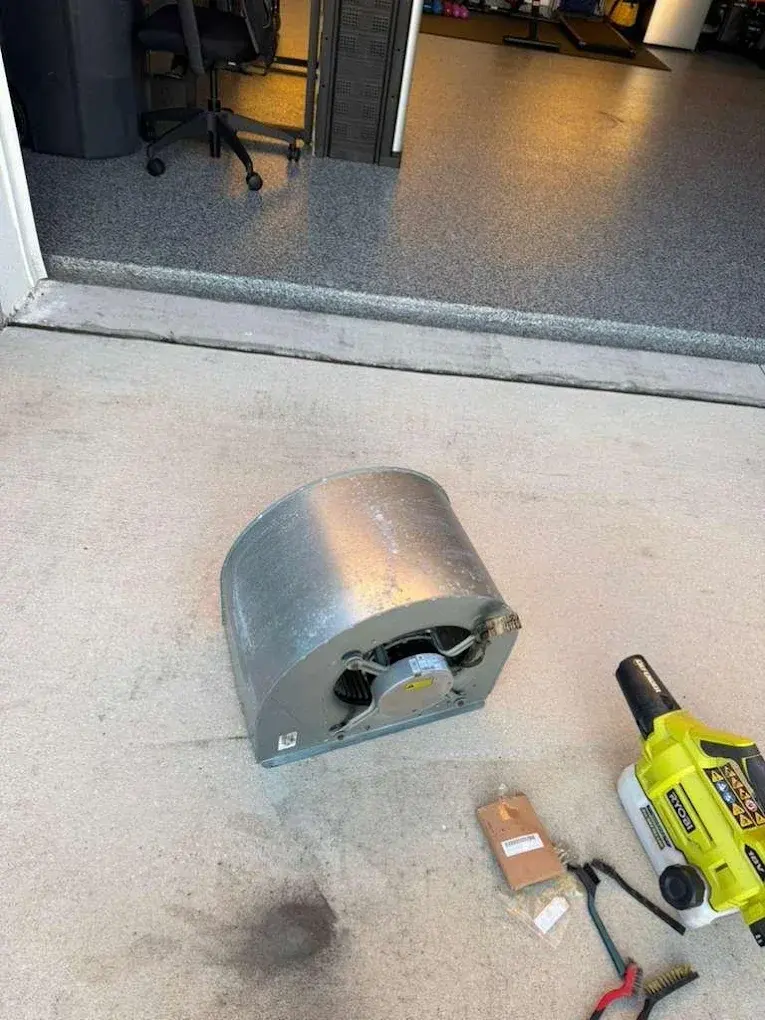
Assessment and design first
Before anyone pulls old duct, the job starts with measurements and a plan. That means checking your home's cooling load, counting and sizing the runs each room needs, and mapping how air should move from the air handler out to every vent. Skipping this step is how homes end up with the same balance problems they started with. Good design is the whole point of replacing.
Removing the old system
The crew disconnects and pulls the old ductwork, insulation and all. In a Jupiter attic, this is hot, tight work, and it's where debris and contamination come out of the house for good. Old flex, worn insulation, and any pest mess get bagged and hauled away rather than left to keep circulating.
Installing and sealing the new runs
New duct goes in run by run, connected to a properly sized plenum and secured so nothing sags over time. Every joint gets sealed, boots are set at each register, and the insulation is fitted to handle attic heat. The final step is testing airflow at the vents and confirming the system moves air the way the design intended. A careful install also includes cleaning up after itself, which sounds obvious but matters.
Sizing, materials, and the details that decide performance
Two duct systems can look identical in the attic and perform completely differently. The details separate a system that quietly does its job from one that fights you for years.
Getting the sizing right
Duct sizing isn't a guess. It follows the cooling capacity of your equipment and the airflow each room needs. Ducts that are too small choke the system and make it work harder. Ducts that are too large lose velocity and let air pool. Proper sizing is the single biggest factor in whether you feel comfortable in every room, so it deserves more attention than the material brand ever will.
Material choices for coastal Florida
Insulated flex duct is common and works well when installed with proper support and no sharp bends. Rigid sheet metal shows up in trunk lines and high-demand runs. Whatever the material, the insulation R-value matters a lot in a hot Jupiter attic, because that's what keeps condensation and heat gain in check. A knowledgeable installer matches material to the run and your home, not to whatever's cheapest on the truck.
Sealing and insulation done right
A duct system is only as good as its weakest joint. Mastic sealant and proper mechanical connections keep conditioned air inside the ducts where you're paying to send it. Well-fitted insulation stops the attic heat from robbing your cooling and prevents the sweating that damages ducts over time. These are the unglamorous details that decide whether your new system still performs well years from now.
Living with a new duct system
The install is the start, not the finish. A little routine care keeps a fresh system performing, and knowing what to expect afterward helps you catch small issues before they grow.
What better airflow feels like
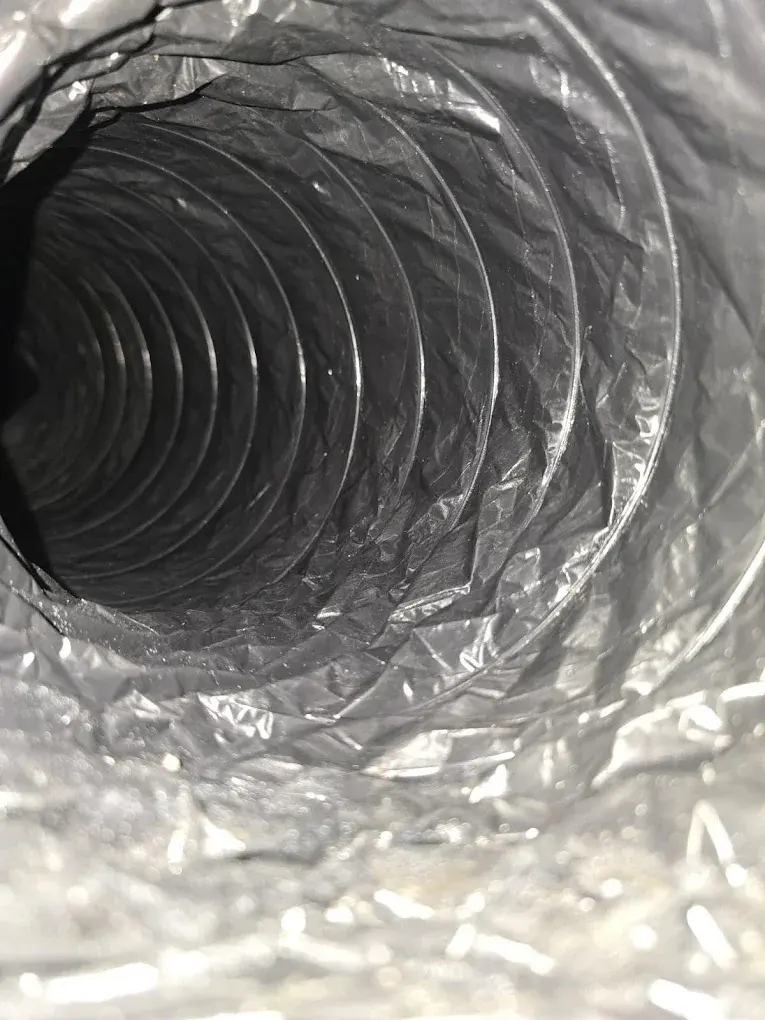
After a good replacement, homeowners often notice rooms holding temperature more evenly and the AC cycling in a steadier, quieter rhythm. Dust that used to resettle constantly tends to build more slowly. The air simply feels fresher when it isn't dragging attic debris along with it. These are common outcomes, not promises, since every home is different.
Simple maintenance you can handle
You don't need tools for the basics. Change your air filter on schedule, keep supply and return vents clear of furniture and rugs, and glance at your attic runs once in a while if they're accessible. Those small habits protect the work you paid for. Anything involving the air handler, electrical, or refrigerant should go to a licensed professional.
Keeping the system clean over time
Even a new duct system collects dust eventually, especially in a home with pets or in dusty seasons. Periodic cleaning keeps airflow strong and the interior of the ducts clear. If you'd rather not track the timing yourself, schedule a duct cleaning and let the crew keep an eye on the system's condition while they're in there. Express Air Duct Cleaning Jupiter handles both the cleaning and the bigger installation work, so you're not juggling multiple companies.
Frequently asked questions
How long does a duct replacement take?
Most residential jobs wrap in a day or two, depending on home size, attic access, and how many runs are being replaced. A larger home or a full-system redesign can run longer.
Can I replace just part of my ductwork?
Sometimes, yes. If only a few runs are damaged and the rest is sound, a partial replacement makes sense. A full inspection tells you whether patching part of an aging system is worth it or just delaying the inevitable.
Will new ducts lower my energy bills?
Sealed, properly sized ducts stop leaking conditioned air into the attic, which usually means the system runs more efficiently. How much you save depends on how leaky the old system was and how your home is used.
How do I know if it's my ducts or my AC unit?
That's exactly what an inspection is for. If the equipment checks out but rooms still won't balance or the air feels weak, the distribution system is the likely cause. A pro can trace it without guesswork.
Is duct cleaning enough, or do I need replacement?
If the ducts are intact and just dirty, cleaning restores performance. Replacement comes into play when ducts are damaged, undersized, or contaminated beyond what cleaning can fix. An honest assessment sorts the two apart.